Class Solidification: Finance’s Hidden Link
advertisement
Class boundaries are more than just social ideas—they are maintained and supported by the subtle functions of finance. Beyond apparent disparities in wealth, financial systems create unseen obstacles that confine social positions, while providing privileged instruments for the wealthy to solidify their standing. For individuals in affluent networks, grasping this relationship uncovers how finance influences mobility across generations, transforming economic benefits into lasting social divides.
advertisement

Private Capital’s Hidden Barriers to Entry
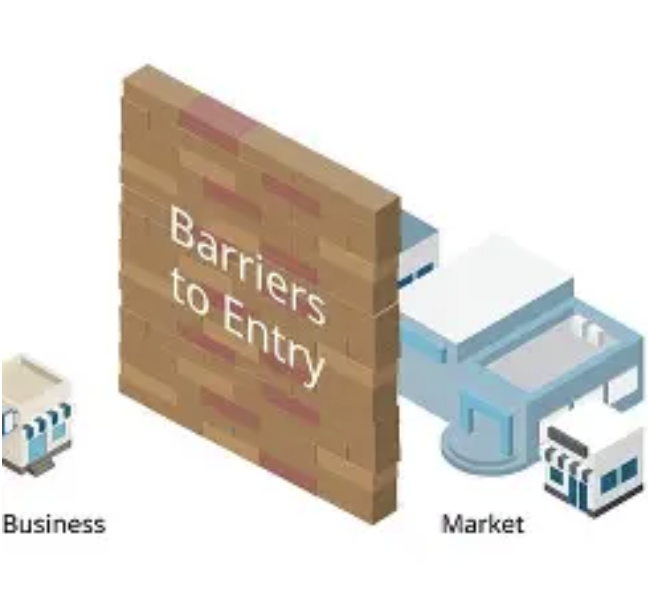
Private markets—including private equity, venture capital, and direct real estate—serve as a primary factor in perpetuating inequality. In contrast to public markets, they establish significant barriers to entry: requirements for minimum investments, the need to be an accredited investor, and access to exclusive networks. Such obstacles exclude the middle class from participating in high-growth investments, while the wealthy continue accumulating wealth through early investment opportunities and illiquid assets, amplifying the divide not only in capital but in chances to generate wealth.
Advanced financial structures convert wealth into capital that can be passed down through generations. Instruments like trusts, family offices, and offshore entities do more than just conserve assets—they protect wealth from taxes, creditors, and market fluctuations, ensuring it remains intact for heirs. Unlike smaller inheritances, these financial arrangements create a lasting economic buffer for the elite, while the middle class does not have access to similar resources, which keeps them in cycles reliant on earned income.
Class Bias in Financial Innovation
New financial instruments frequently exacerbate inequality rather than making access more equitable. Decentralized finance (DeFi) and synthetic assets, which are praised for their inclusivity, necessitate technical knowledge and financial capital to be utilized effectively. Even though robo-advisors and fractional investing have lowered entry barriers, the returns they provide lag far behind the personalized strategies available to wealthier individuals—demonstrating that innovations primarily benefit those who are already wealthy, rather than challenging the status quo.
Tax Policies and Class-Specific Exceptions
Tax regulations, influenced by the elite, incorporate elements of inequality into their framework. Capital gains tax rates favor income generated from investments over wages, thus benefiting those with substantial assets. International tax agreements and the use of shell companies enable the wealthy to reduce their tax obligations, while the middle class faces a disproportionate tax burden stemming from their salaries. These exceptions convert financial advantages into tax benefits, deepening social divides.

The financial literacy of the elite is a deliberate advantage. Wealthy individuals can access exclusive advisory networks, expertise from family offices, and private training sessions to master sophisticated financial strategies. In contrast, standard financial education focuses on basic saving and managing debt, failing to provide the middle class with the means to enter elite investment sectors, thereby sustaining a cycle of knowledge disparity and wealth inequality.
Hidden Class Biases in Credit Distribution
Credit markets function based on unspoken class prejudices. Wealthy individuals can obtain low-cost, unsecured loans to enhance their investments, while middle-class borrowers encounter stricter conditions and higher interest rates on consumer debts. Even so-called “merit-based” lending relies on credit histories and assets that are often linked to class status, guaranteeing that the affluent can enhance their wealth through the use of leverage, while others find it challenging to break free from cycles of debt.
In essence, finance serves as both a mechanism for entrenching inequality and a potential means for transformation. For the affluent, an awareness of these dynamics provides a decision: either uphold social stratification or harness financial power to expand access, reforming the systems that influence opportunities across different classes.
(Writer:Ganny)
Related Articles