Seize Hidden Financial Opportunity Windows
advertisement
Financial opportunity openings are often subtle and not easily noticeable. For individuals striving for long-term wealth accumulation, they can be found in specific policy deficiencies, delays in asset valuations, and exclusive access to resources—transient instances that favor proactive understanding over passive observation. Failing to seize these opportunities not only results in missed benefits, but also creates a growing disparity with peers who excel in the skill of timing.
advertisement

This involves developing a multi-faceted intelligence framework that integrates policy predictions, insider knowledge from various industries, and current market data analysis—enabling the identification of emerging gaps prior to widespread recognition. Whether it’s taking advantage of changes in regulations to establish footholds in new sectors, or utilizing postponed asset appraisals to obtain undervalued assets, the essential factor is to take prompt action during the brief period when these prospects have not yet been taken advantage of by the wider market.
Pre-IPO Equity Front-End Windows
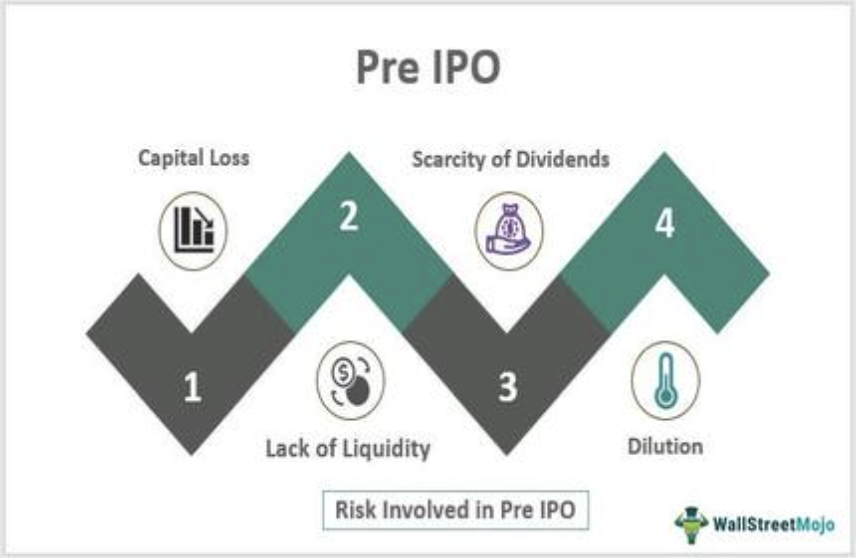
In addition to public market initial public offerings, there are concealed opportunities within pre-listing equity. Exclusive pathways through private banking "doctor clubs" link investors to science and tech startups ahead of their official funding rounds. These chances, associated with technological advancements, provide valuations significantly lower than what is available after listing, with returns enhanced by the dividends from early-stage growth.
Family Trust Tax Policy Windows
Delays in tax regulations lead to brief opportunities for optimizing trusts. As policies regarding equity trusts continuously change, setting up during tax exemption phases for asset transfers helps avoid incurring double taxation. Informed investors secure advantageous conditions to protect inherited wealth from potential future regulatory alterations, transforming legislative gaps into lasting benefits.
Alternative Asset Valuation Gaps
Opportunities arise from undervalued alternative investments. When market perceptions neglect niche areas such as equipment leasing or local disposal of non-performing assets, brief chances arise to purchase assets at lower rates. Once these assets are restructured, they generate consistent cash flows that differ from the unpredictable nature of public markets.
Arbitrage opportunities in cross-border policies reward those with global knowledge. Times of changes in currency regulations or favorable remittance conditions allow investors to shift capital across different regions. By utilizing the global network provided by private banking, they can take advantage of temporary variations in interest rates and market accessibility before policy alignment occurs.
Insurance Asset Management Windows
Shifts in allocation by insurance asset managers create concealed opportunities. When insurers adjust their portfolios towards real estate or private equity, unique co-investment chances become available for high-net-worth individuals. These windows coincide with long-term capital trends, delivering stable returns that have a lower correlation with equity markets.
Wealth Management Product Exclusivity Windows
Private banking's products with limited availability create urgent opportunities. "Client-only" structured deposits or macro-strategy offerings, featuring preferential rates and improved returns, are only accessible during brief launch phases. To secure these allocations, proactive engagement with specialized advisors is necessary.
Capturing financial opportunity openings goes beyond mere chance—it requires market understanding and access to networks. By identifying these obscure, transient instances and acting swiftly, investors can transform timing into a significant leverage for wealth, steering clear of the disappointment of lost opportunities.
(Writer:Dirick)
Related Articles