Wealth Multipliers: Beyond Ordinary Gains
advertisement
Wealth accumulation is never a straightforward process. Individuals who continuously expand their economic perspectives often discover obscure financial principles that remain unnoticed by the mainstream. Their achievements do not stem from mere guesswork but from utilizing distinct market behaviors and the characteristics of assets to transform opportunities into lasting benefits.
advertisement

These multipliers frequently manifest as compounded returns, synergistic combinations of assets, or the strategic application of non-symmetrical information—elements that transform small gains into massive growth without necessitating equivalent rises in investment or effort.
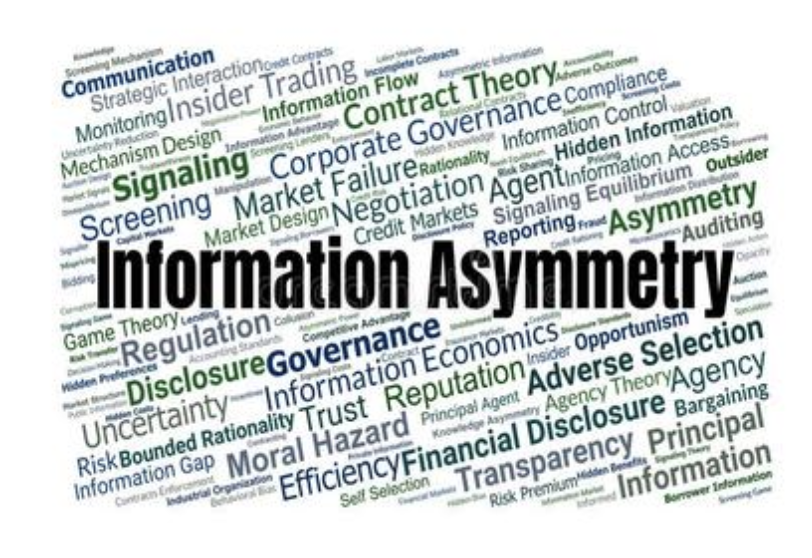
Information Asymmetry 2.0
The focus has shifted from mere insider insights to the capacity to interpret alternative data. Financially astute wealth creators employ satellite images to forecast agricultural production several weeks prior to official data releases or scrutinize logistics information to predict retail outcomes, converting disparate pieces of information into lucrative trades before the market catches on.
Lifestyle Assets Monetization
Collections of art, extravagant yachts, and personal aircraft are more than mere indulgences. Wealthy individuals utilize specialized financing to gain liquidity through loans backed by their art collections without parting with valuable items, using the acquired funds for additional investments while keeping ownership and sentimental attachment to their valuable assets.
Cross-Market Arbitrage Nuances
They delve deeper than basic A-H share differentials, concentrating on time discrepancies and institutional barriers. For example, they might profit from varying trading hours in global markets to exploit price differentials that arise from news developments occurring overnight, or leverage regional regulatory differences in bond credit spreads through thorough on-site investigations.
Such intricate tactics require significantly more than basic market understanding—they depend on continuous data tracking, a keen understanding of international regulatory gaps, and the flexibility to withdraw investments prior to the closing of price disparities or adjustments in regulations that could diminish prospective profits.
Risk Conversion into Profit
Rather than shying away from risks, they reinterpret them. When market fear incites irrational sell-offs of high-yield bonds, they examine the quality of underlying assets to find those that are undervalued, transforming market negativity into significant returns as overall sentiment improves.

When cyclical sectors encounter short-term challenges that spark broad negativity among investors, they focus on analyzing the core strengths and long-term growth prospects of the companies they are interested in, rather than simply conforming to the trend of selling off relevant assets. By retaining fundamentally solid stocks during the downturn, they are able to seize significant profits when the sector recovers, converting perceived dangers into real investment opportunities.
Cognitive Edge in Industrial Links
They excel at understanding price correlations across different industries rather than focusing solely on the fluctuations of individual assets. For instance, they might apply the soybean-crushing arbitrage strategy to synchronize their holdings in soybeans, soybean meal, and oil, benefiting from discrepancies between expected and actual processing margins.
Circle Resources Monetization
Exclusive networks provide access to private opportunities. By collaborating with expert networks and family office partnerships, they gain entry to private investments, pre-IPO ventures, and specialized alternative markets, establishing barriers that prevent average investors from participating.
The essence of wealth growth involves surpassing traditional thought patterns. It entails transforming information, assets, risks, and networks into interlinked profit-generating mechanisms, rather than depending on profits from a single market. This represents the underlying rationale for consistent financial advancement.
(Writer:Ciki)
Related Articles