Dignified Retirement Without Children
advertisement
For wealthy individuals, enjoying a comfortable later life without depending on offspring is not a risk—it is a purposeful creation driven by careful planning, future lifestyle considerations, and financial strength. The conventional approach of “children as caregivers” is no longer the sole option; today’s rich can create retirement experiences that are self-sufficient, satisfying, and safe, utilizing resources to establish a support network that matches their principles and aspirations.
advertisement
Build a “Retirement Ecosystem” of Experts
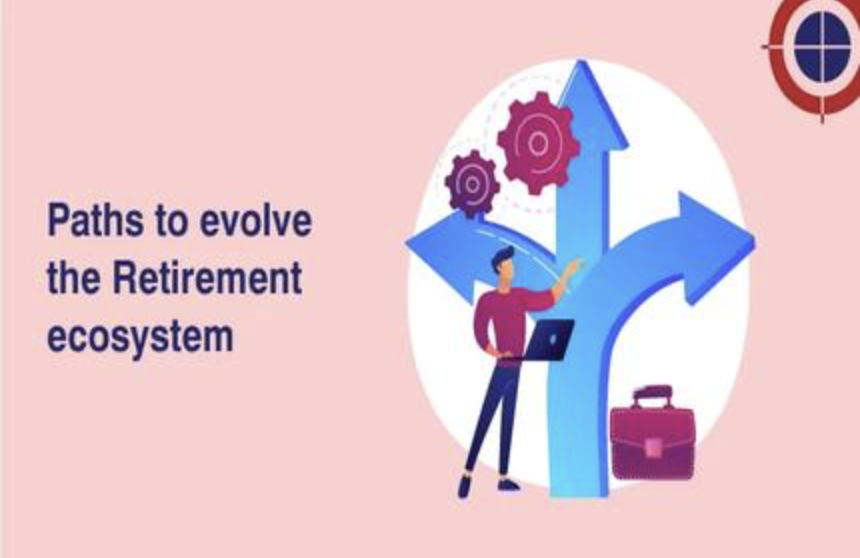
Gather a team of reliable experts to take over the caregiving responsibilities often assigned to children. This should consist of a geriatric care manager to oversee health requirements, a fiduciary financial advisor focusing on retirement distributions, and an estate planning lawyer to help define legacy aspirations. For instance, a care manager can evaluate in-home nursing options or senior living facilities, assuring quality care without putting stress on family members—transforming professional assistance into a tailored safety net.
Invest in High-Quality Retirement Communities
Avoid ordinary senior living facilities; instead, select luxurious continuing care retirement communities that provide various living arrangements—from independent homes to assisted living. These communities come equipped with features such as personal chefs, wellness centers, and cultural activities, along with assurances of increasing care as demands evolve. Numerous options also include models that retain investor equity, allowing your financial contribution to hold value and be passed on to heirs, merging comfort with financial wisdom.

Create a “Purpose Portfolio” Beyond Monetary Aspects
A fulfilling retirement encompasses more than just finance—it requires a sense of purpose. Develop a “purpose portfolio” by supporting projects you are passionate about, guiding younger professionals, or starting a charitable initiative. For instance, a tech business owner might finance a startup incubator for the elderly, whereas an art enthusiast could organize community art shows. These activities foster social ties and a feeling of purpose, combating the isolation often associated with retiring without children.
View LTC insurance as a key investment rather than a burden. Choose hybrid plans that merge life insurance with LTC benefits—if you do not require the care, your beneficiaries will receive a death benefit; if you do, it can cover in-home assistance or upscale facilities. For affluent individuals, self-funding through a specially designated LTC account invested in stable assets provides flexibility, allowing you to ensure the quality of care without constraints from insurance providers.
Foster Intergenerational and Community Relationships
Create purposeful connections beyond family ties. Engage in mentorship initiatives that connect older adults with younger generations, or become part of co-housing arrangements where people of all ages live together and offer support. A retired business leader might mentor students pursuing an MBA, while a former teacher could provide tutoring to neighborhood children—establishing mutual respect and informal support networks that resemble family dynamics but are free from obligation.

Enhance Healthcare Through Concierge and Preventative Services
Invest in concierge medical services for tailored healthcare, which includes yearly preventive check-ups and round-the-clock doctor availability. Combine this with a health savings account (HSA) that is funded during your employment years to manage upcoming medical expenses without taxes. For chronic diseases, collaborate with specialized healthcare teams that synchronize treatments, minimizing emergency care needs and helping you maintain your health and independence for a longer duration.
A respectful retirement without children revolves around making choices—deciding how to live, who to depend on, and what legacy to establish. For wealthier individuals, it is less about substituting children and more about creating a life abundant in resources, connections, and meaning, transforming independence into a source of joy rather than anxiety. With proper planning, your later years can emerge as the most independent and rewarding chapter of your life.
(Writer:Dick)
Related Articles