Investment Is Not Gambling, But A Long-Term Practice
advertisement
In the finance realm, many individuals mistakenly equate investing with gambling, aiming for quick profits and market frenzy. Nevertheless, for those capable of recognizing the importance of long-term thinking, investing represents a significant practice that parallels the dedication and perseverance needed to cultivate enduring wealth and personal development.
advertisement
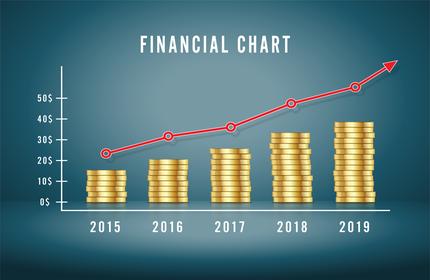
Gambling capitalizes on the temptation of immediate gains, while investing dismisses this mentality. Wealthy individuals grasp that genuine wealth creation is not about achieving a "jackpot" from a single transaction. It involves understanding that timing the market is an illusion; even highly experienced investors cannot reliably foresee immediate shifts. Those who pursue rapid profits frequently make emotional decisions, purchasing at highs and selling at lows, leading to diminishing value over the long run. The essence of investing lies in resisting the desire for prompt outcomes and maintaining a broader vision.
Emotional Control Over Reaction
Market movements are influenced by emotions, with fear and greed being particularly dominant. A crucial aspect of investing is the ability to manage these feelings. During market downturns, panic causes many to sell quickly, cementing their losses. Conversely, when the market rises, greed incites careless buying. Successful investors maintain their composure, adhering to their investment principles even when others panic or celebrate. They recognize that fluctuations are routine, and emotional control acts as a buffer, shielding their investments from harm caused by impulsive actions.

Long-Term Growth: The Quiet Power
The phenomenon of compounding is the secret behind long-term investing, requiring patience—a fundamental quality in any investment strategy. Small, steady gains amassed over years can significantly amplify wealth. Wealthy individuals take advantage of this by committing to long-term investments while steering clear of excessive trading that diminishes returns due to fees and taxes. They understand that compounding is most effective when allowed to develop over time, making patience not merely a virtue but a strategic financial approach.
Aligning Investments with Principles
Contemporary investing transcends mere financial profits; it entails aligning investments with individual values. A growing number of affluent investors now emphasize environmental, social, and governance (ESG) criteria. They choose to support companies that foster sustainable practices or adhere to ethical norms, transforming their wealth into a positive influence. This alignment introduces a deeper sense of purpose, enriching the investment experience beyond just financial gain.
Ongoing Growth and Flexibility
The investment landscape is in constant flux—new technologies, changes in regulations, and global occurrences reshape financial markets. Effective investing requires ongoing education. Successful investors modify their approaches as circumstances shift, remaining inquisitive and receptive to fresh perspectives. They do not hold onto old methods; rather, they adapt alongside the market, ensuring their investments are resilient against changes.
In summary, investing is not a gamble. It is a lifelong journey that requires knowledge, perseverance, emotional control, and the ability to adapt. For those willing to adopt this perspective, it serves not just as a means to accumulate wealth but as a path to personal development, where every choice embodies the insight of looking beyond the immediate and contributing to a more promising future.
(Writer:Cily)
Related Articles