Becoming a Woman Uncontrolled by Money
advertisement
For women who consume a lot, their connection with finances frequently becomes intertwined with societal pressures and the materialistic benchmarks of achievement. However, the process of transforming into a woman who is not governed by finances does not entail turning away from affluence; rather, it is about regaining control—allowing wealth to function as a resource instead of a dominant force. This transformation necessitates moving beyond the urge to define self-esteem through monetary influence or economic position, and focusing on cultivating an inner guide that informs financial choices. For women with significant wealth, this path represents liberation: the ability to select careers, connections, and ways of living based on personal principles rather than financial demands—a level of independence that exceeds basic economic stability.
advertisement
Designing Intentional Income Flexibility
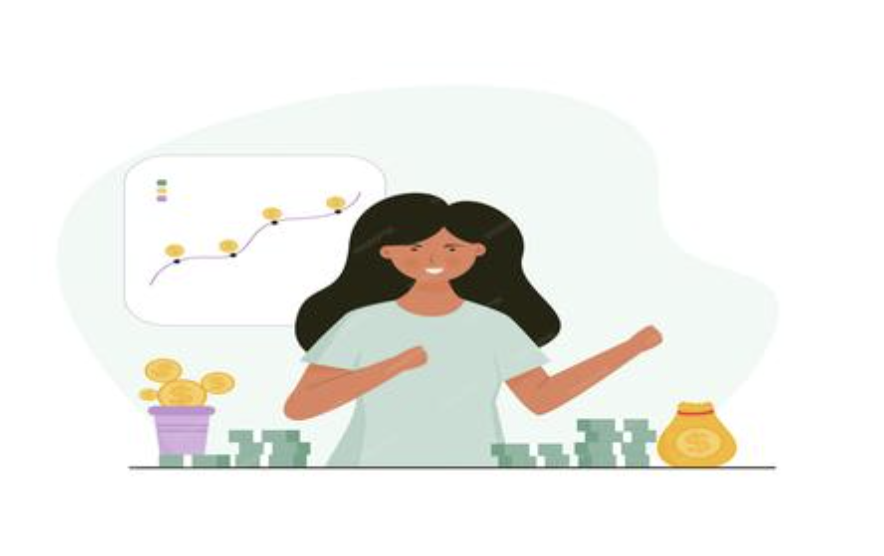
Unrestrained by finances signifies the ability to move away from unsatisfying prospects—a privilege made possible through deliberate income strategies. Women with substantial wealth can cultivate this freedom by broadening their sources of income beyond just one profession: generating passive earnings through investments, leveraging specialized knowledge into consulting opportunities, or initiating businesses driven by passion. This approach to diversification lessens dependence on any singular source of income, alleviating the anxiety of financial failure that compels many to remain in unfulfilling positions. Unlike depending entirely on a substantial paycheck, a thoughtful income framework allows one to focus on purpose rather than merely earnings.

Financial power diminishes when expenditures are influenced by principles instead of impulses or societal expectations. Women who tend to consume excessively often fall prey to "status spending" by acquiring luxury items to conform or demonstrate success. Becoming free from the grasp of money requires reimagining "value" to emphasize experiences, personal development, and positive impact over mere material wealth. This entails establishing a budgeting strategy that prioritizes what genuinely matters—such as education, charitable endeavors, or familial experiences—while eliminating non-essential expenses that lack significance. Spending that aligns with personal values allows money to become an instrument for satisfaction, rather than a source of compulsion.
Enhancing Emotional Fortitude Against Financial Stress
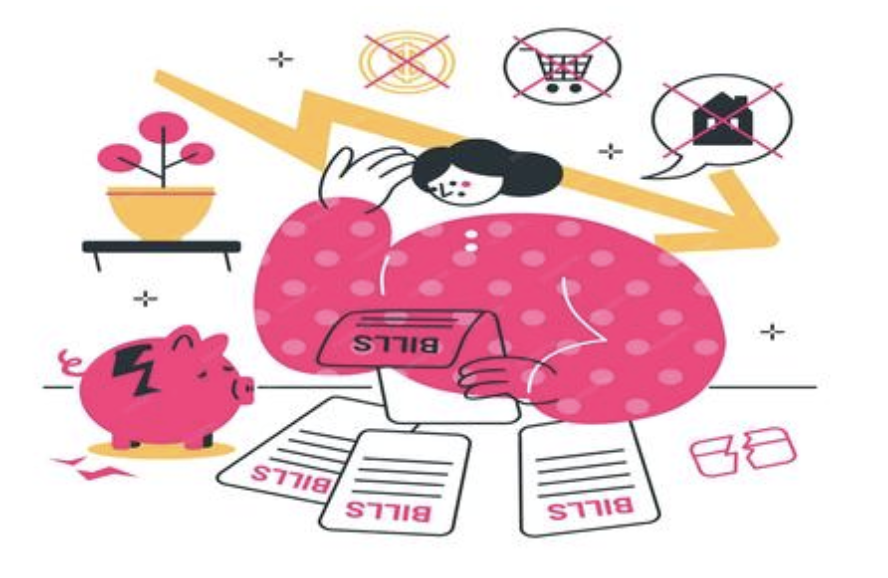
Financial stress is a major factor in the control that money exerts, even on affluent women. Changes in the market, shifts in careers, or unforeseen costs can evoke fears that override logical thinking. Developing emotional strength involves recognizing these anxieties while forming methods for coping: building a strong emergency fund adjusted to personal lifestyle requirements, collaborating with reliable advisors to devise security strategies, and engaging in mindfulness practices to prevent impulsive financial actions. Emotional strength can transform financial unpredictability from a cause for alarm into a challenge that can be navigated, ensuring that fear does not dictate your choices.
Cultivating a Network of Like-Minded Individuals
The people you associate with influence your attitude toward money. Women with high consumption often circulate within environments that emphasize monetary accomplishments, which reinforces money’s influence. Liberating oneself requires building a network of individuals who share a commitment to values and prioritize meaning over wealth. These relationships provide encouragement, accountability, and motivation, highlighting that success can take many forms. Whether through women’s leadership organizations, charitable groups, or professional associations, being around similar individuals fortifies your commitment to uphold your principles rather than succumbing to financial pressures.
Ultimately, becoming a woman liberated from financial constraints is a path of self-exploration and purposeful planning. It involves transitioning from viewing money as a token of value to considering it a means for liberation, guided by principles, resilience, and financial understanding. For women with high consumption, this state of financial independence is not an unattainable fantasy, but a feasible reality—one that grants the liberty to live according to your own preferences, free from fiscal pressures. Ultimately, the most impactful financial condition is not merely possessing more money but achieving complete authority over its use.
(Writer:Laurro)
Related Articles