How Elites Manage Their Massive Assets
advertisement
Behind the elegant opulence of their lifestyles, the wealthy do not simply leave their vast fortunes to fate—they carefully oversee them with purpose, strategic insight, and a commitment to long-term conservation rather than immediate profits. In contrast to the typical narrative of an “set it and forget it” approach to investing, their method is a meticulously designed system that balances development, risk, and heritage, specifically tailored to their distinct objectives and principles. For those familiar with wealth, managing their finances goes beyond a mere economic endeavor; it serves as a means to protect their lifestyle, their legacy, and their tranquility.
advertisement
While diversification is a fundamental concept, the affluent take it a step further by focusing on asset separation. They steer clear of excessive exposure to interrelated markets by investing in assets that fluctuate independently—from private credit and unique collectibles to environmentally sustainable infrastructure. This tactic ensures that a downturn in one area does not jeopardize their entire investment strategy, safeguarding their wealth from systemic threats that frequently catch the everyday investor by surprise.
Utilize Family Offices for Tailored Governance
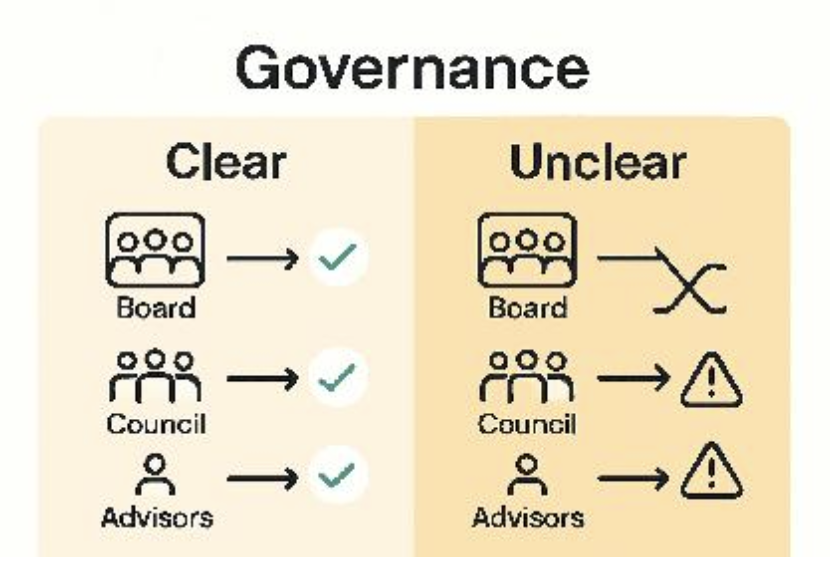
Affluent individuals seldom depend on a single financial advisor; rather, they establish family offices to supervise their complete wealth portfolio. These specialized teams manage everything from investment oversight and tax strategies to estate planning and charitable giving, ensuring each choice is in harmony with the family's long-term aspirations. This customized governance removes conflicts of interest and guarantees comprehensive control over their financial resources.
Incorporate Philanthropy in Wealth Management
For the wealthy, philanthropy serves not only as a principled decision but also as a tactical aspect of asset management. They utilize donor-advised funds, charitable trusts, and impact investments to diminish tax responsibilities while aligning their finances with their core values. This method transforms charitable giving into a strategy for wealth retention, as impact investments frequently yield consistent returns while establishing a lasting legacy beyond mere financial considerations.

The affluent recognize that safeguarding their wealth is as crucial as expanding it. They extend beyond standard insurance solutions, employing customized strategies such as captive insurance for distinct assets (like private jets or art collections) and asset protection trusts to shield their wealth from legal claims, creditors, and market volatility. Such proactive measures ensure that their assets remain secure for future generations.
Adopt Illiquid Investments for Sustainable Growth
Although liquidity is vital, elites intentionally allocate a part of their resources to illiquid investments such as private equity, venture capital, and real estate syndications. These assets frequently perform better than public markets over extended timeframes and offer protection against short-term market variations, creating a solid groundwork for continuous wealth augmentation.

Connect Wealth Management to Legacy Considerations
For affluent individuals, asset management is tightly woven with legacy considerations. They implement trusts, family constitutions, and succession planning to guarantee the smooth transfer of their wealth to future generations, accompanied by clear directives regarding its utilization. This not only preserves their wealth but also ensures that their principles and visions continue to influence their family’s future.
Elite asset management focuses not on pursuing rapid gains, but on establishing a strong, mission-oriented framework that preserves wealth, reflects core values, and ensures a sustainable legacy. It embodies a careful equilibrium of planning, safeguarding, and deliberate action, distinctly different from the generic methods that prevail in conventional financial guidance.
(Writer:Hoock)
Related Articles