Key Economic Signals to Watch in the Coming Years
advertisement
For those who consume heavily, understanding upcoming economic patterns relies on identifying less talked about indicators instead of adhering to popular narratives. The upcoming years will be influenced by delicate but significant changes—ranging from limitations in technological infrastructure to shifts in consumption driven by demographic factors, along with advancements in finance. These indicators, frequently ignored in traditional assessments, are crucial for effective asset distribution and seizing opportunities within an unpredictable global marketplace.
advertisement

Artificial intelligence (AI) has emerged as a popular term; however, the genuine economic implications are rooted in the frequently overlooked energy systems that support it. The rapid expansion of data centers is straining the power supply, rendering high-quality, stable electricity an essential constraint. For affluent investors, the advancements in energy infrastructure geared towards AI requirements serve as a crucial indicator—it not only influences the tempo of industrializing AI but also uncovers prospects in renewable energy and smart grid industries deeply associated with technological growth.
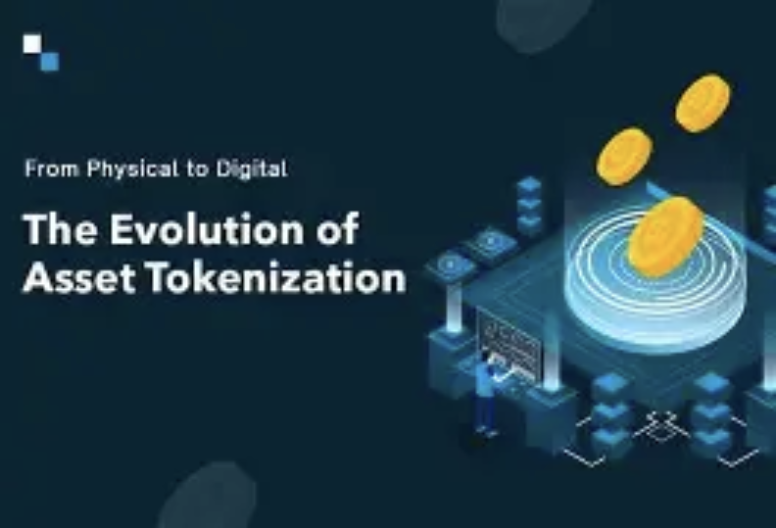
Asset Tokenization: Digital Transformation of Finance
Beyond the buzz surrounding cryptocurrency, the process of asset tokenization through blockchain is revolutionizing financial frameworks, indicating a significant market transformation. This innovation digitizes ownership of properties, private equity, and commodities, enhancing both transparency and liquidity. Major asset managers launching tokenized funds and regulatory changes favoring this area are important markers. For high-investment stakeholders, this trend opens up new asset categories and more effective transactional methodologies, reshaping strategies for portfolio diversification.
Labor Market Reallocation: Geopolitics-Driven Skill Shifts
Global labor markets are being altered by geopolitical strains, revealing a less conspicuous sign: an increase in demand for specialized skills. As businesses revise their tactics between offshoring and local production, expertise in supply chain resilience and cybersecurity is gaining importance. At the same time, a reduction in working-age populations enhances the significance of technology-enabled labor solutions. This trend guides high-investment individuals in making decisions regarding human resources and sector investments, especially in fields addressing skill shortages due to demographic and geopolitical changes.
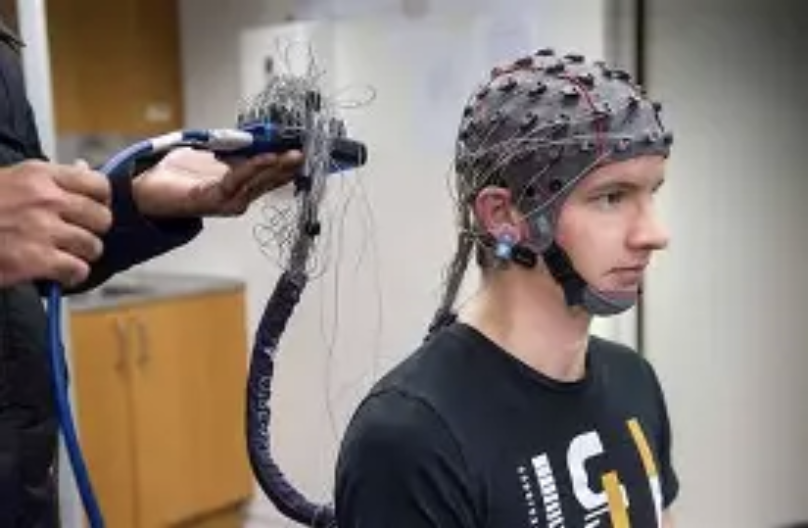
Brain-Computer Interface (BCI) Commercialization
Initial advancements in BCI technology, although in their early stages, signal the emergence of a potentially lucrative industrial sector. The increasing waitlists for neural interface devices highlight unmet healthcare and productivity demands, impacting areas such as health services, AI, and advanced manufacturing. Developments in wireless and scalable BCI technologies mark a critical indication of future economic viability. For visionary investors, this budding sector signals a substantial growth prospect that sits at the crossroads of technology and human health.
New Consumption Premiumization: Emotional Value Demand
The transition from tangible to emotional consumption represents a subtle yet significant economic indicator. Fueled by rising per capita GDP, emerging consumption patterns centered on emotional significance, aesthetics, and efficient experiences are replacing conventional products. Expansion in industries such as pet products, trendy toys, and AI-enhanced recreational services reflects this transition. For high-investment individuals, this trend aligns consumer spending with shifting lifestyle preferences, identifying investment prospects in brands that capitalize on emotional connections for premium pricing.
In summary, the most significant economic indicators of the near future are not the apparent ones but the subtle changes in infrastructure, demographics, and innovation. For high-investment groups, understanding these indicators promotes proactive decision-making instead of reactive responses. By concentrating on lesser-known trends like AI's energy demands, the aging economy, and asset tokenization, they can strategically position their wealth to flourish during transitions and seize opportunities often overlooked by the mainstream.
(Writer:Seli)
Related Articles