Psychology Behind High-End Financial Personas
advertisement
A sophisticated high-status image encompasses much more than just ostentatious luxury; it functions as a mental tool intricately linked with financial methodologies. For individuals involved in prestigious financial environments, developing and sustaining such an image utilizes innate human psychological tendencies to foster trust, exclusive prospects, and financial benefits that go beyond simple asset valuation.
advertisement

This carefully crafted uniformity utilizes mental shortcuts that prompt others to link well-groomed, intentional identities with skill and trustworthiness—crucial characteristics in significant financial partnerships. By matching external appearances with the unexpressed psychological anticipations of high-status groups, people reduce the perceived danger for associates and family offices, gaining access to unique opportunities and strategic partnerships that are inaccessible to those who disregard this subtle mental advantage.
Status Signaling as Financial Trust Catalyst
Symbols of high-end status serve as subconscious beacons of trust in monetary dealings. A meticulously crafted image—ranging from bespoke clothing to belonging in elite associations—activates the "status heuristic" among colleagues and associates. This psychological shortcut enhances perceived authority, simplifying the process of obtaining private equity co-investments or favorable agreements from private banking institutions.
A high-status image capitalizes on scarcity psychology to gain access to specialized financial offerings. Unique luxury items, such as limited-edition watches and artwork, resonate with the inherent human craving for exclusiveness. This psychological draw permits investors to qualify for "invitation-only" wealth management solutions, including art-backed trusts offering advantageous tax benefits.
Consistency Bias in Wealth Legacy Building
Consistently presenting a high-status persona takes advantage of the consistency bias. Distinguished individuals who maintain a stable and polished image over the years are viewed as dependable guardians of wealth. This psychological element fortifies trust across generations, facilitating the transfer of family trust arrangements and fostering intergenerational business collaborations.
Anchoring Effect in Financial Negotiations
High-status imagery employs the anchoring effect during financial discussions. Approaching negotiations with subtle indicators of luxury—like a high-end automobile or a private meeting space—anchors the perceptions of others to an elevated wealth level. This psychological influence leads to more advantageous terms in asset purchases, interest rates on loans, and divisions of equity.

A thoughtfully curated high-status image harnesses social proof to gain entry into exclusive investment realms. Appearing in prestigious financial and cultural venues conveys a sense of "belonging" among other wealthy investors. This psychological endorsement unlocks pathways to exclusive deals not available to outsiders, venture capital initiatives, and family office partnerships.
Loss Aversion in Wealth Preservation
An elegant high-status persona alleviates biases related to loss aversion in financial management. Advisors and associates view those with polished images as more adept at controlling risks—subconsciously linking a consistent image with fiscal wisdom. This diminishes doubt regarding bold yet calculated investments, from international real estate to private lending.
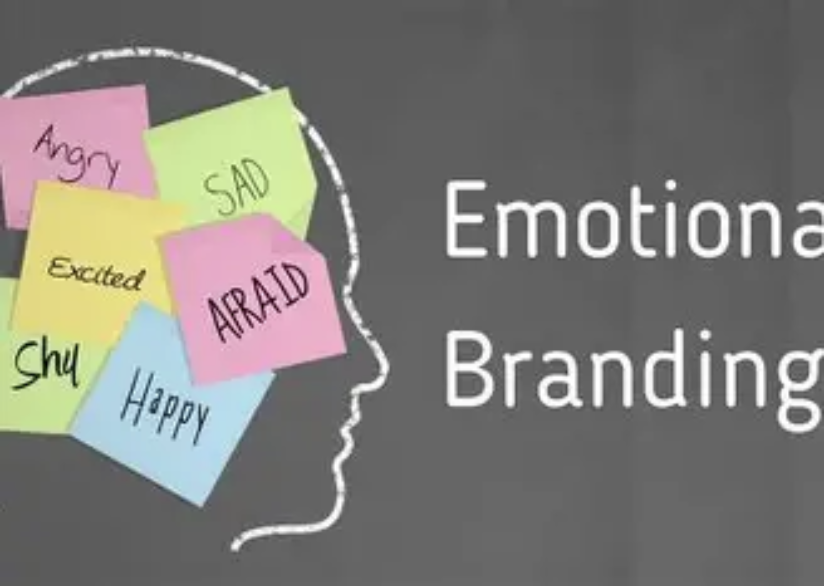
Emotional Branding in Wealth Transfers
A high-status image weaves emotional branding into the process of wealth management. Beyond tangible assets, a legacy marked by refinement imparts emotional significance to heirs and partners. This psychological bond ensures more seamless transitions of wealth, upholds family standing within financial communities, and secures ongoing access to network resources through generations.
The psychological principles behind high-status images serve as an unspoken financial tactic. They convert perceptions into real wealth benefits, utilizing human biases to cultivate trust, unveil opportunities, and ensure enduring financial prosperity within elite environments.
(Writer:Matti)
Related Articles