Emotion: The Priciest Cost for Retail Investors
advertisement
For wealthy retail investors, the principal source of wealth decay seldom arises from expenses or market downturns—it originates from unchecked emotions. Factors such as greed, fear, pride, and remorse influence choices that diminish portfolios more significantly than any direct fees, resulting in concealed losses that surpass calculated dangers and are difficult to address effectively.
advertisement
Greed drives the hasty pursuit of overpriced assets during market highs, whereas fear prompts frantic selling in downturns—these actions result in lasting losses that overshadow transaction fees or management expenses. For wealthy individual investors, unchecked emotions transform short-term market fluctuations into significant long-term declines in wealth, a burden that far exceeds any concrete financial outlay.
Ego-Driven Loss Amplification
Wealthy investors frequently allow their pride to override logical thinking, transforming minor losses into significant difficulties. By refusing to withdraw from underperforming private investments or specialized assets due to reluctance to acknowledge a mistake, they intensify failing tactics. This emotional rigidity confines capital in stagnation, forgoing opportunity costs that greatly exceed the original losses.
FOMO’s Hidden Premium on Hype
The fear of missing out compels affluent individuals to pursue overvalued trends—exclusive cryptocurrency ventures, pre-IPO stock, or fashionable art funds—at inflated prices. Motivated by discussions among peers in elite circles, they neglect due diligence and pay an “emotional premium” that guarantees minimal returns or outright losses when the excitement diminishes.
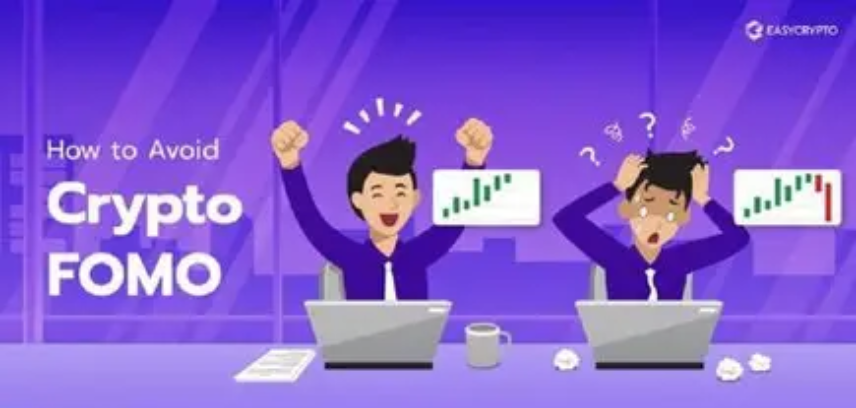
This sentimental extra goes further than just initial excess payment: it ties up finances in overvalued assets, forfeiting chances for reliable, varied returns. As excitement diminishes, the extra disappears completely—resulting in wealthy investors facing losses that greatly surpass the real expenses of lost stable investments.
Regret Aversion’s Paralyzing Cost
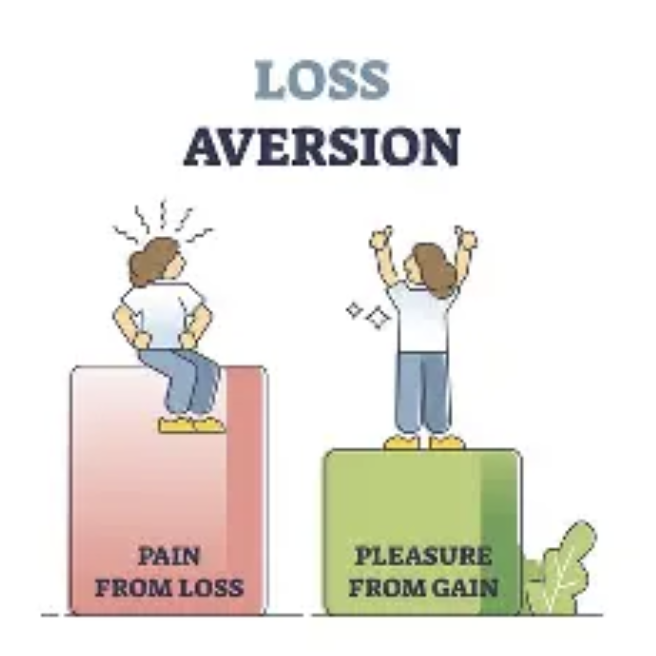
Avoiding regret traps investors in a state of inaction. Following a previous error, wealthy retail investors might hesitate to make moves, sticking to diversified portfolios even as market conditions change. This inactivity hinders them from reallocating resources to strong assets, allowing an emotional fear of repeating past errors to erode the potential for wealth appreciation over time.
Emotional Anchoring to False Benchmarks
Investors often emotionally tie their decisions to previous peaks or arbitrary goals. Concentrating on regaining a portfolio’s prior high, they may undertake excessive risks to “catch up,” or sell too soon for slight gains to avoid falling short. This narrow focus overlooks the current market conditions, transforming emotional ties into costly errors.
Affluent social circles magnify emotional biases. A peer’s panic selling during declines or boastful remarks about large gains can influence decisions, overshadowing individual tactics. This shared emotional contagion results in herd mentality, turning personal failures into widespread portfolio damage that is challenging to remedy.
Emotional Exhaustion’s Opportunity Drain
Continuously navigating emotional responses to market fluctuations drains mental energy. Wealthy investors become preoccupied with tracking investments, re-evaluating decisions, and alleviating stress, which leaves little capacity for strategic planning. This fatigue can lead to complacency or rash choices, resulting in missed opportunities that hold high value but require low emotional investment.

For wealthy retail investors, mastering their emotions serves as the most effective method of reducing costs. By establishing safeguards against emotional biases—including setting predetermined guidelines, shielding from social influence, and focusing on long-term rationale—they can eliminate the most expensive and obscure aspects of wealth management.
(Writer:Juliy)
Related Articles