Greed & Fear: How They Hijack Your Wealth
advertisement
For individuals with significant wealth, even with access to the finest advisers, emotions like greed and fear function as unseen manipulators, influencing account decisions in ways that escape logical scrutiny. These feelings not only lead to spur-of-the-moment trading but also skew long-term plans, diminish wealth stability, and cause recurring harm that persists beyond fluctuations in the market.
advertisement
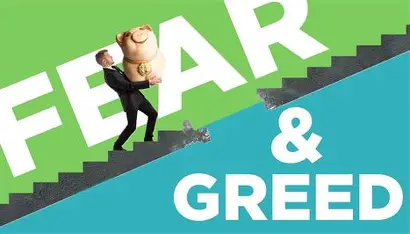
A desire for excessive profits leads to taking on too much debt in pursuit of unrealistic high returns, while anxiety forces hasty sell-offs of long-term assets that are priced too low. Both of these factors undermine the careful planning needed for investments, transforming short-term fluctuations in the market into lasting financial losses that even top financial consultants find hard to manage.
Greed Masquerading as Strategic Growth
Greed seldom presents itself as a blatant desire for more; instead, it disguises itself as “strategic growth.” Wealthy investors might take on excessive debt with private equity investments or pursue untested alternative assets, portraying elevated risk as innovative thinking. This false sense of control—driven by self-importance and the quest for extraordinary returns—can result in an imbalanced portfolio, making it susceptible when market momentum slows.
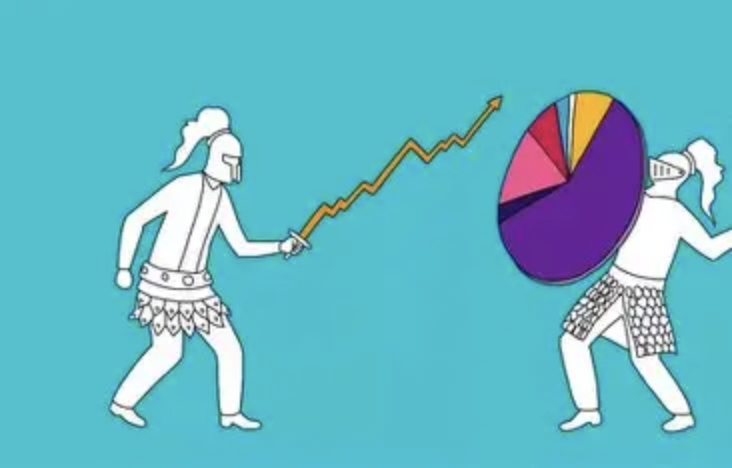
Fear does not only show up through panic selling but also through crippling indecision. Following market drops, high-net-worth individuals frequently hold onto underperforming investments, apprehensive about the regret that comes from realizing losses. This “loss aversion” confines capital in stagnant investments, missing chances to shift to more resilient assets, ultimately allowing fear to undermine long-term growth prospects.
Cycles of Greed Fueled by Ego
For wealthy people, greed can be closely linked to their sense of self. Surpassing peers or achieving arbitrary return targets becomes a mark of success. This cycle, driven by ego, compels investors to retain winning investments long beyond their peak, unwilling to realize profits, as doing so feels like conceding defeat—transforming fleeting victories into lasting losses.
Fear of Exclusion as Greed’s Companion
The fear of missing out merges greed with opportunity. When exclusive opportunities or popular sectors dominate elite discussions, the anxiety of being left out prompts rushed investments. Wealthy investors may allocate resources to overhyped projects without sufficient research, motivated by the dread that others will gain rewards while they remain inactive—a trap that is amplified by the social dynamics present in affluent circles.
Emotional Bias: The Trap of Fear & Greed
Both greed and fear tether decisions to past experiences. Greed holds onto the recollection of significant gains, presuming history will repeat itself; in contrast, fear lingers on previous losses, exaggerating future threats. This emotional anchoring skews the perception of risk—affluent investors might underestimate risks in bullish markets (greed) or exaggerate them in bearish markets (fear), leading to portfolio instability.
The Silent Agreement of Wealthy Groups in Emotional Fluctuations
Affluent gatherings unconsciously heighten both greed and fear. The pressure to pursue high returns enhances greed, whilst shared panic during downturns escalates fear. Investors might forsake structured strategies to conform with others, allowing social dynamics to overshadow rational thought, turning individual emotional errors into widespread account repercussions.
The influence of greed and fear originates from their lack of visibility. For wealthy individuals, overcoming their hold necessitates separating ego from financial returns, establishing emotional safeguards, and understanding that rational approaches to wealth preservation take precedence over the fleeting highs of greed and the immobilizing lows of fear.
(Writer:Ganny)
Related Articles