Investing or Gambling? The Thin Line You Miss
advertisement
Many individuals with significant financial resources think they are accumulating wealth through various investments, but they often unknowingly venture into the realm of gambling. The difference is not found in the actual assets—such as stocks, real estate, or private equity—but rather in the thought processes, reasoning, and limits on risk that influence their choices. For those who are used to financial comfort, the temptation of high returns often obscures this divide, transforming thoughtful wealth accumulation into a risky gamble driven more by emotion than by strategic planning.
advertisement

Cognitive Bias: Confusing Luck with Skill
Gamblers often credit their short-term victories to their own capabilities, a misconception that wealthy investors frequently encounter. A successful trade spurred by market excitement or precise timing is wrongly deemed "strategic," which breeds excessive confidence. In contrast to genuine investing—where profits arise from the increase in asset worth—this method hinges on chance. As time progresses, luck diminishes, and the lack of a foundational rationale reveals the gamble, depleting profits more swiftly than they were accumulated.
Investing flourishes with time, permitting value to accumulate through essential development. Gambling, however, seeks instant results, measuring success in a matter of days or weeks. Individuals with high net worth might be tempted by "quick profits" in unpredictable markets, forsaking long-term asset management for fleeting excitement. This transition from enduring strategies to impulsive actions exemplifies gambling, even when cloaked in investment terminology.
Information Asymmetry: Speculation Masquerading as Analysis
Authentic investing is grounded in comprehensive research and a solid grasp of inherent value. In contrast, gamblers rely on incomplete information—hearsay, social media buzz, or insider knowledge. Wealthy investors often find themselves privy to "exclusive" insights, yet these tend to be marketing gimmicks rather than useful data. Without validating essential principles, they are not engaging in investment—they are wagering based on someone else’s story.

Leverage: A Resource Turned Gambling Enabler
Leverage increases both profits and losses, but when misapplied, it transitions investing into gambling. Numerous affluent individuals pursue higher returns through leverage without aligning it with their risk appetite. Unlike strategically leveraging tied to the cash flow of assets, reckless borrowing to heighten bets lacks a safety net. A solitary market fluctuation can eradicate the principal, a result of gambling’s inherent all-or-nothing nature.
Investing necessitates self-control—adhering to asset distribution, minimizing losses, and steering clear of herd mentality. Emotions dominate gambling: the fear of missing an opportunity prompts entry, while panic incites exits. Wealthy investors may assume their financial standing protects them from emotional blunders, yet greed and apprehension frequently push them towards irrational decisions, like doubling down on losing bets in an attempt to "recuperate" losses.
Risk Boundaries: Established Limits Versus Unrestricted Exposure
Investors define specific risk thresholds, limiting any individual position to safeguard the overall health of their portfolio. In contrast, gamblers disregard these limits, viewing each wager as a route to significant victories. Wealthy individuals might become overly invested in a single asset or strategy, believing their "expertise" reduces risk. This absence of diversification does not constitute investing—it equates to risking everything on a singular outcome.
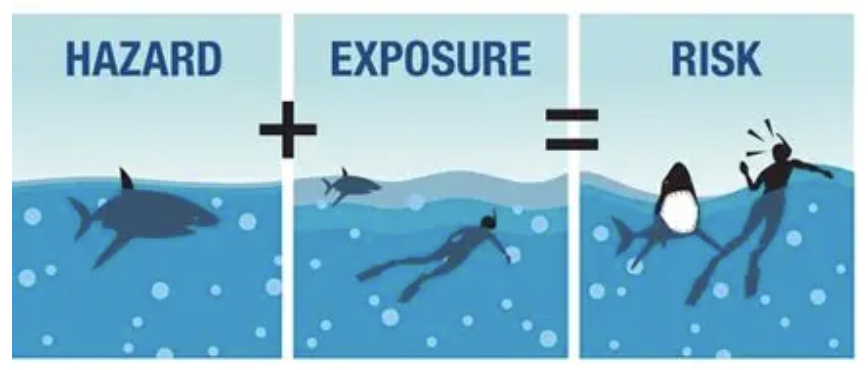
The distinction between investing and gambling centers around intention. Genuine investing is a methodical approach to value acquisition, while gambling represents a hazardous pursuit of chance. For those with financial resources, differentiating between the two is not solely about maintaining wealth—it is about preventing the concealed costs associated with confusing luck with strategy.
(Writer:Laurro)
Related Articles