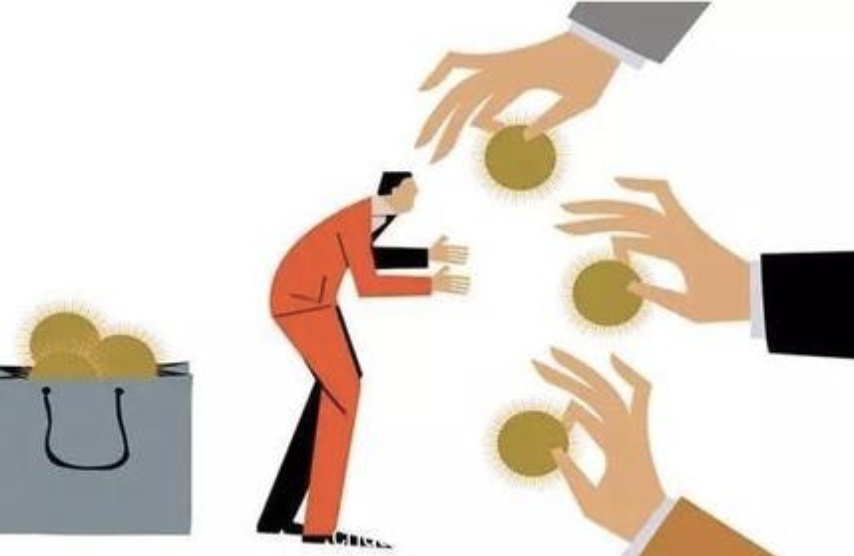
Social Capital: The Invisible Financial Lever
advertisement
Wealth creation frequently depends on apparent instruments—such as investment portfolios, approaches, and properties—yet the most effective driver lies in interpersonal relationships. For individuals managing considerable wealth, social networks are more than just social assets; they act as a financial tool, enhancing opportunities, reducing risks, and revealing value that typical investment avenues may overlook.
advertisement

These relationships frequently reveal unique perspectives: an early warning about a rising market trend prior to its widespread adoption, a collaboration possibility with an entrepreneur who shares similar values, or a recommendation to a reliable mentor who can assist in understanding intricate financial laws. In contrast to physical assets that may vary with market conditions, a carefully cultivated network of social connections lasts through the years, providing a consistent, unseen foundation that strengthens your financial standing when other assets may fail.
Social Circles as Alpha Generators
Exclusive social circles serve as portals to pre-IPO investments, private equity ventures, and specialized alternative investment options. Unlike public exchanges, these prospects are typically shared through reliable networks, where the trust established through personal interactions takes the place of formal due diligence in the initial stages. This “social alpha” transforms relationships into a strategic advantage, producing returns that surpass those of standard investment portfolios.
Family Networks and Wealth Anchoring
For wealthy families, generational social networks act as stabilizers for their wealth. Beyond just passing down assets, the circles cultivated by earlier generations grant access to cross-sector collaborations, resources for crisis management, and institutional credibility. This mechanism ensures that wealth does not exist independently but is supported by an intricate web of social connections that accompany financial resources.
Social Risk Control in Private Finance
Social ties also serve as an unseen buffer against risk in private finance. In uncollateralized transactions, lenders and investors frequently depend on individuals' social reputations to gauge creditworthiness. A robust social reputation diminishes informational disparities, minimizing the chances of default while allowing for more advantageous conditions—transforming social trust into a concrete financial protection mechanism.
Cross-Border Social Capital Arbitrage
International social networks enable financial opportunities across borders. Wealthy individuals utilize global connections to navigate different regulatory environments, access undervalued markets, and establish local partnerships. This social advantage helps bridge geographical divides, turning worldwide relationships into a method for optimizing capital distribution across various regions.
Philanthropic social circles enrich both societal contributions and the legacy of wealth. Cooperative philanthropy facilitated through trusted networks enables larger projects, superior resource management, and enhanced branding. This tool transforms wealth from a mere individual asset into a societal legacy, increasing the intangible worth associated with one’s financial holdings.
Digital Social Capital and FinTech Synergy
FinTech platforms are formalizing the concept of digital social capital. Exclusive online hubs for wealthy investors blend social interactions with financial tools, allowing for immediate sharing of ideas and co-investing opportunities. This combination converts virtual interactions into practical financial advantages, aligning online social patterns with wealth enhancement.
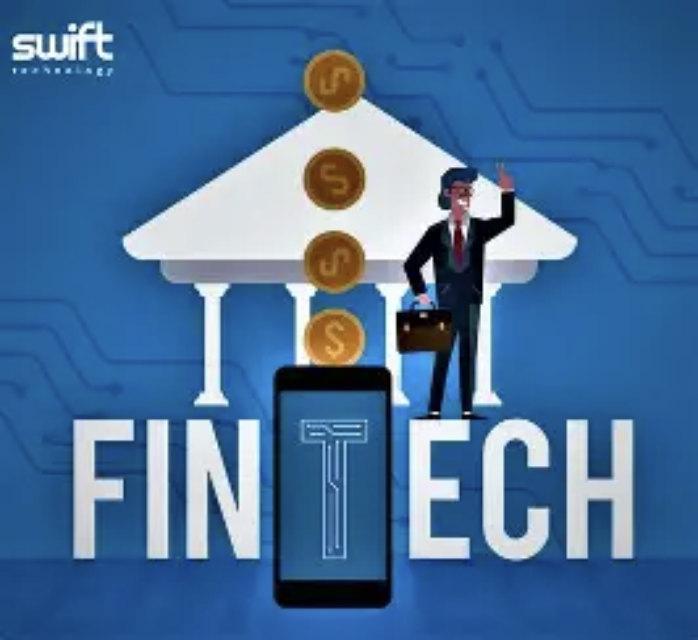
In the sphere of high-net-worth finance, social capital represents the foremost leverage—one that amplifies the influence of tangible assets. It demonstrates that the true capacity of wealth is not solely released by ownership, but by the connections one builds and the effective use of those relationships.
(Writer:Seli)
Related Articles