Inflation Era: Does Money Really Depreciate?
advertisement
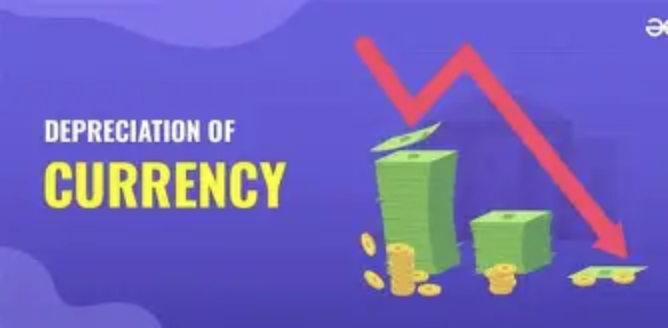
For wealthy individuals, inflation isn't solely linked to higher grocery bills or fuel costs. It subtly alters wealth dynamics, challenging the fundamental concept of "value" in ways that extend beyond simple economics. The critical inquiry goes beyond whether cash diminishes in purchasing power; it involves how various forms of value respond and which assets might convert this concealed pressure into benefits.
advertisement
The Illusion of Stable Luxury
It is commonly believed that luxury products serve as protection against inflation, yet the truth is more complex. Items like limited-edition timepieces or designer bags may possess brand prestige, but their market availability wavers according to consumer mood. A Hermès Birkin that was acquired five years ago may not increase in value at the same speed as a carefully selected artwork, as the cyclical nature of luxury fashion can diminish worth more swiftly than anticipated when inflation constrains discretionary expenditures.
Groups with high consumption levels are redirecting their attention towards experiences—such as private vacations, exclusive dining experiences, or tailored wellness retreats. Contrary to physical items, these experiences do not lose value in the typical way; they generate lasting memories and social capital that maintain significance even as the value of currency declines. For instance, a week's stay in a private villa in Tuscany provides instant gratification that remains unaffected by rising inflation.
The Hidden Cost of "Safe" Investments
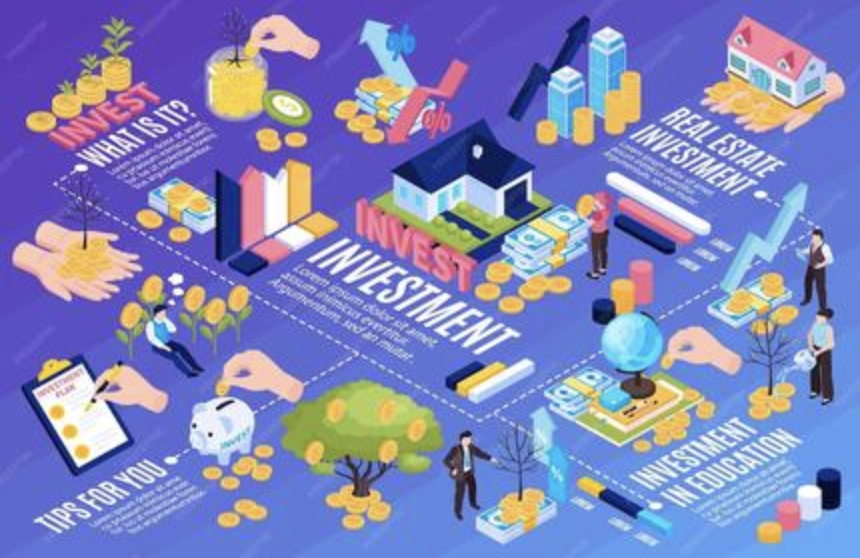
Investment options like certificates of deposit or government securities, once regarded as secure refuges, can drain wealth during periods of inflation. Their fixed yields do not keep up with increasing prices, gradually reducing purchasing power. For wealthy investors, this necessitates a reevaluation of what "safety" means—not in terms of risk avoidance, but by diversifying into assets like agricultural land or renewable energy initiatives that produce cash flow linked to real needs, which often increase with inflation.
Brand Loyalty’s Price Tag
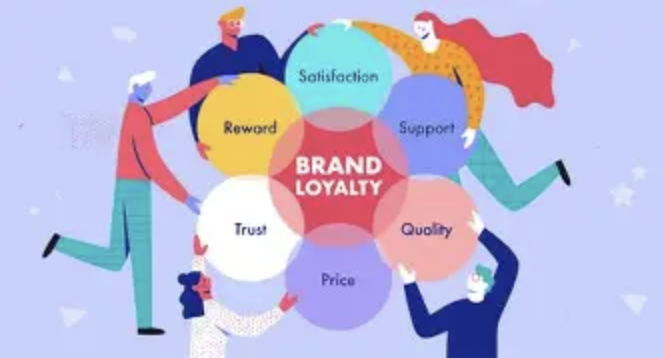
Inflation frequently compels luxury brands to elevate prices not only to offset expenses but also to preserve their exclusivity. However, savvy consumers are beginning to wonder if the cost of loyalty is justified. An independent jeweler who uses the same materials as a major brand can provide greater value, as their pricing does not include marketing expenses. This trend is compelling even leading brands to explain price increases that go beyond simple scarcity.
Wealth Preservation Through Skill Acquisition
Investing in one’s own skills—be it acquiring a new language for international business or learning to appraise fine art—yields intangible assets that withstand inflation. These competencies boost earning potential and create pathways to opportunities that cannot be affected by currency depreciation. A collector with the capability to accurately verify art authenticity, for example, acquires an advantage that cannot be purchased outright in an inflated market.
For the wealthy, the depreciation of money pertains less to mere survival and more to a reimagining of value. Inflation encourages these individuals to transcend mere return chasing and cultivate a collection of assets—tangible, experiential, and intangible—that preserve significance and purchasing power. In this light, money does not merely lose value; it shifts attention to what genuinely matters in an evolving economic environment.
(Writer:Wanny)
Related Articles