Why Saving Hard Leaves You Poorer
advertisement
Numerous individuals with significant earning potential hold the belief that careful saving is the route to financial success, yet they discover that their ability to purchase goods diminishes over time. This contradiction does not stem from saving itself, but from perceiving saving as an endpoint instead of a means—neglecting the unseen expenses and lost opportunities that transform economical behavior into a habit that diminishes wealth. Those who are used to comfort often fall into the trap of prioritizing the preservation of capital while undervaluing the factors that facilitate wealth increase.
advertisement
Savings as Deteriorating "Non-Assets"
Merely saving does not convert money into assets; it simply keeps value in a form that gradually depletes. In contrast to investments that yield returns or appreciating goods, stagnant savings are subject to unseen decline—from inflation surpassing interest rates to subtle changes in purchasing ability. Individuals with high consumption habits frequently ignore this, mistakenly believing that having cash readily available ensures safety, even though it progressively loses its power to support the same lifestyle year after year.
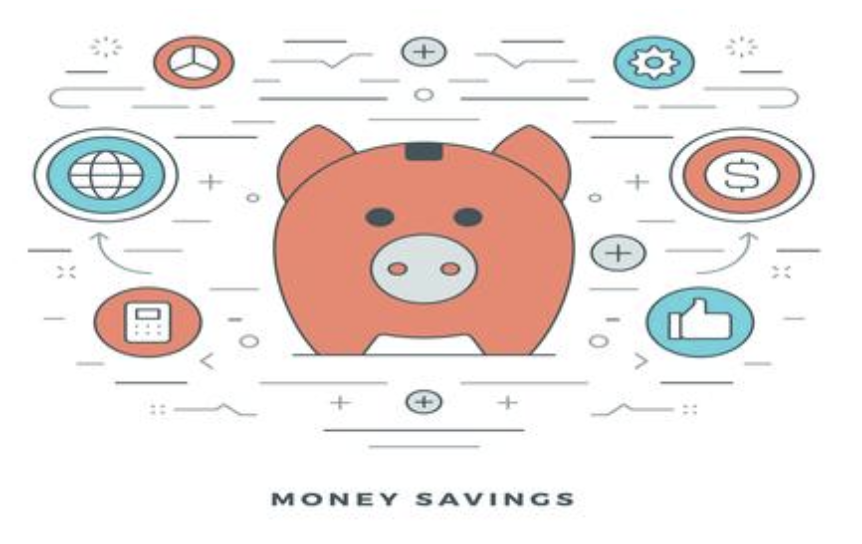
Excessive saving can result in insufficient investment in personal development and business initiatives. Cutting back on professional growth, expansion of businesses, or building networks to increase savings eliminates future income sources. For instance, choosing not to invest in enhancing a skill or upgrading a business may save money in the immediate term, but such choices restrict earning potential in the long run—transforming saving into a self-imposed limit on wealth growth.
Cognitive Rigidity Inhibiting Wealth
Dedicated savers frequently adopt a rigid perspective that sees spending as wasteful. This mindset blinds them to the benefits of thoughtful expenditures that can maintain or expand wealth—such as obtaining insurance to manage risks, utilizing tax planning services, or ensuring asset upkeep. A lack of strategic spending could lead to costly surprises, like unexpected asset depreciation or legal expenses, which can diminish savings much more than intended investments would have.

Passive Decline Due to Systemic Issues
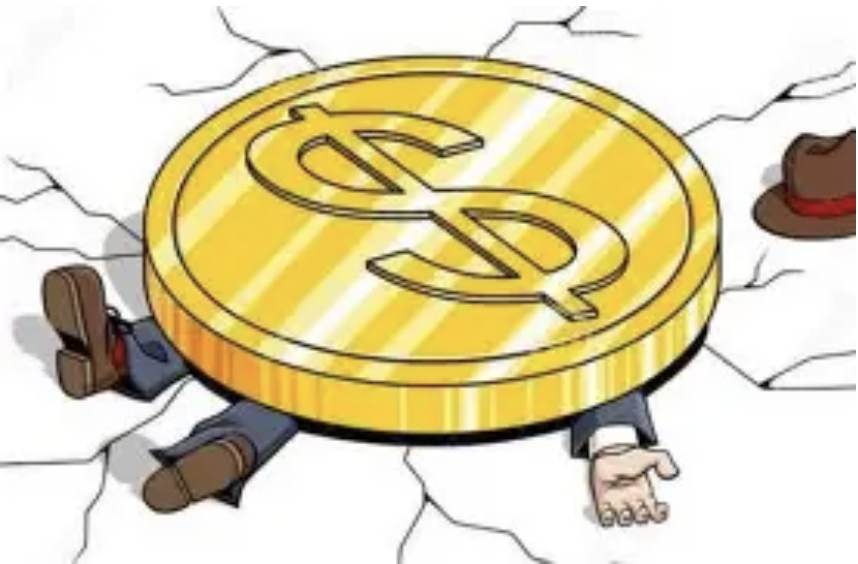
Contemporary financial systems indirectly penalize inactive savings. The low interest rates on savings accounts result in cash failing to keep up with even slight inflation, while fees for transactions and changes in currency further diminish value. Wealthy individuals with large savings are particularly affected, as their significant cash reserves experience relatively greater decline—turning careful saving into a futile struggle against systemic pressures.
Wealth Dynamics vs. Dormant Savings
Wealth increases through velocity—the speed at which capital is utilized to generate profits. Dormant savings lack this movement, remaining unchanged while active investments grow. Wealthy individuals who accumulate riches recognize this: saving serves as a temporary measure to gather capital, not a long-term plan. Those who settle for mere saving overlook the essential phase of utilizing money effectively, ensuring their wealth does not lag behind erosion.
Ultimately, saving serves as a groundwork, rather than a comprehensive strategy. The error occurs in viewing frugality as a method for wealth building, rather than employing savings as a means to fuel investments and growth. For wealthy savers, breaking this cycle involves accepting calculated expenditure over mindless accumulation.
(Writer:Juliy)
Related Articles